
Legal Hunting Hours: How Sunrise, Sunset and Shooting Times Work
Understand legal hunting hours, sunrise and sunset rules, species-specific exceptions and how to confirm shooting times before your next hunt.
Olivier · DreamHnF Editorial Team
4 min read
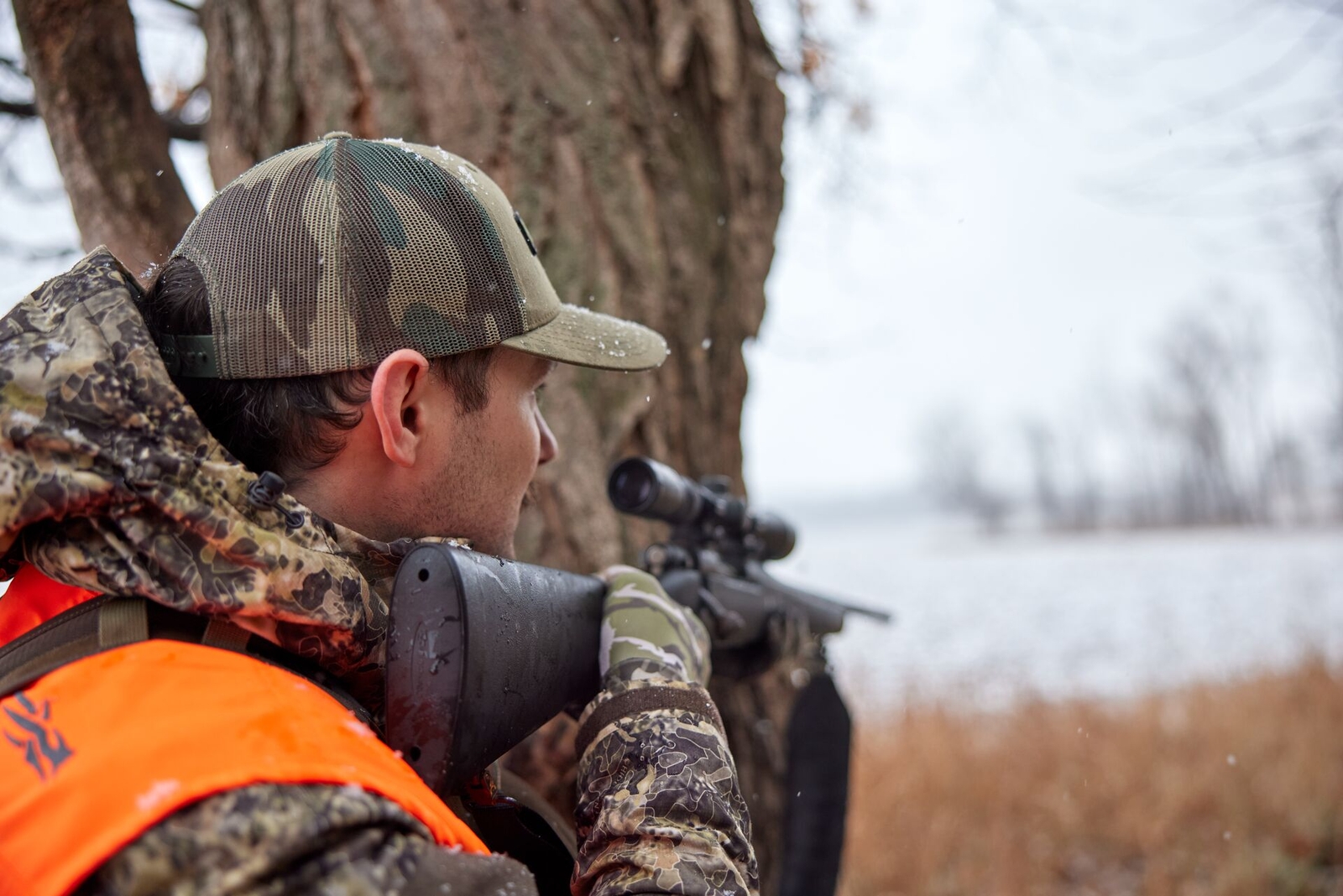
You can have the right license, the right tag and the right animal in front of you and still make an illegal shot if you pull the trigger outside legal shooting hours.
That is why shooting time deserves the same attention as season dates and bag limits.
The basic idea is simple: states establish a legal window during which game may be taken. The details, however, depend on the species, location, date and regulation.
Why hunting hours matter
Legal shooting times serve two major purposes.
First, they help hunters clearly identify their target. Low-light conditions make it harder to distinguish species, sex, antler characteristics and what may be behind the animal.
Second, shooting-hour rules are part of wildlife management. They define when hunting pressure begins and ends each day.
For hunters, the practical lesson is straightforward: Legal light is not based on whether you personally feel like you can see well enough. It is based on the regulation.
A common rule: 30 minutes before sunrise
Many states use official sunrise and sunset as the basis for shooting hours.
Texas, for example, defines legal shooting hours for game animals and nonmigratory game birds as one-half hour before official sunrise through one-half hour after official sunset. Migratory game birds generally follow a different ending time.
But that does not mean every state or every species follows the same schedule. Always verify the current regulation where you are hunting.
Sunrise changes every day
One mistake hunters make is memorizing a clock time instead of the rule.
If legal shooting time was 6:42 a.m. last weekend, that does not mean it will still be 6:42 a.m. later in the season.
Sunrise and sunset vary by:
- date
- latitude
- longitude
- time zone
- daylight-saving changes
A western hunt may have a different legal opening time than an eastern hunt on the same date.
The better habit is to check the next day’s legal time every evening.
Deer and other big game
For deer and many other big-game species, a sunrise-based window is common. But hunters should still check for:
- species-specific exceptions
- county restrictions
- special management hunts
- public-land rules
- season-specific regulations
Never assume the deer rule automatically applies to elk, bear, pronghorn or another species.
If you’re planning a whitetail trip, you can browse Texas white-tailed deer hunting adventures and review the applicable state regulations before your hunt.
Migratory birds are different
Migratory birds operate under a combination of federal frameworks and state regulations.
The U.S. Fish and Wildlife Service notes that one-half hour before sunrise to sunset has long been the traditional federal shooting-hours framework for waterfowl, while states select seasons within federal limits and may impose more restrictive rules.
Texas likewise generally lists migratory game-bird shooting hours as one-half hour before sunrise to sunset, with specific exceptions such as special white-winged dove days.
That is a good example of why hunters should never apply a deer rule to ducks, geese or doves without checking.
Private land still follows hunting regulations
Owning the land does not mean you can ignore legal shooting hours. State and federal wildlife laws still apply to hunting on private property.
Private-land access may give you more control over your setup, entry route and stand location, but it does not create a different legal clock.
Build shooting time into your hunt plan
A simple evening routine can eliminate most confusion. Before the hunt:
- confirm the species and season
- check the wildlife agency’s current regulations
- look up official sunrise and sunset
- calculate the legal start and stop time
- set an alarm on your phone
- arrive early enough to settle in before legal light
If legal shooting begins at 6:31 a.m., there is no advantage in debating whether you can see the animal clearly at 6:27. Wait four minutes.
Low light still requires judgment
Legal does not automatically mean smart.
The first legal minute of the morning can still be dark under heavy timber, cloud cover or poor weather. If you cannot confidently identify the animal, its surroundings and what is behind it, waiting for better light is the better decision.
The regulation establishes the earliest legal opportunity. It does not require you to take it.
Browse Texas hunting adventures to see available experiences and use DreamHnF’s state resources alongside official regulations when planning your trip.
Regulations change. Always confirm current rules with the appropriate state or federal wildlife agency before your trip.
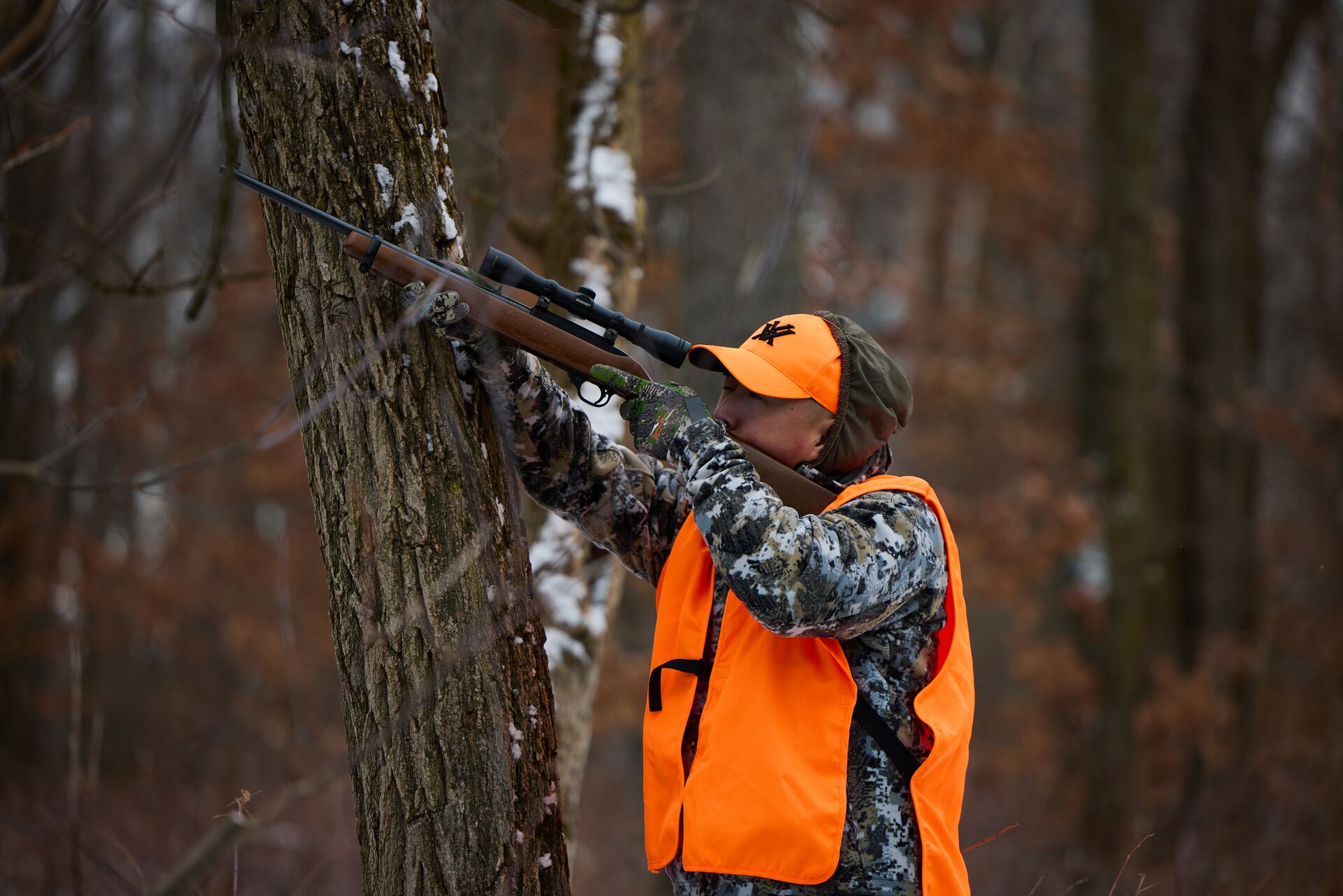

Final thought
Shooting-hour violations are among the easiest hunting mistakes to avoid.
Check the current regulations, confirm sunrise and sunset for the exact location and date, and give yourself enough time to get set up before the legal window opens.
A good hunt does not need to start with a rushed shot.
Keep reading
Fishing / Regulations
Illegal Fish Species by State: What Anglers Should Know Before Keeping a Catch
Learn why some fish are illegal to possess or transport, how invasive-species rules vary by state, and what anglers should check before fishing new waters.
Olivier · 3 min read
Deer Hunting / Skills
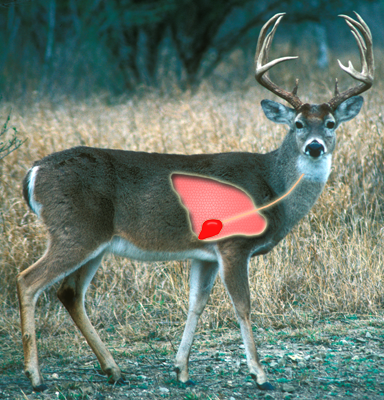
Deer Shot Placement: Understanding Ethical Angles and the Vital Zone
Learn the basics of deer shot placement, broadside and quartering-away angles, shots to avoid and why patience matters for ethical recovery.
Olivier · 4 min read