
Illegal Fish Species by State: What Anglers Should Know Before Keeping a Catch
Learn why some fish are illegal to possess or transport, how invasive-species rules vary by state, and what anglers should check before fishing new waters.
Olivier · DreamHnF Editorial Team
3 min read
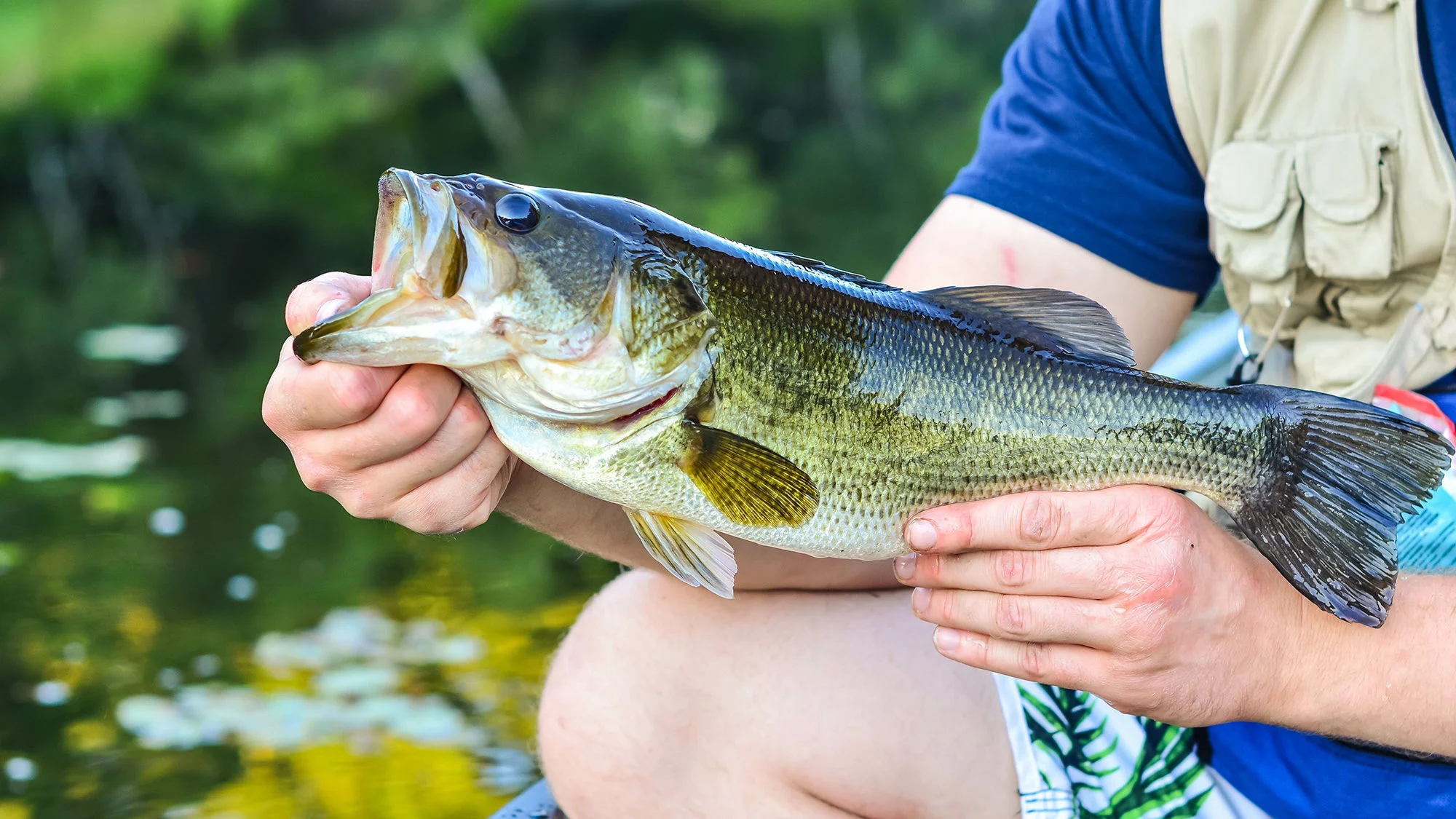
Fishing regulations are usually associated with bag limits, minimum lengths and licenses. But there is another set of rules anglers can easily overlook: restrictions on certain nonnative and invasive fish.
A fish that is perfectly legal to catch in one state may be restricted in another. In some places, the law may also determine whether that fish can be transported alive, returned to the water or possessed without a permit.
That makes one rule especially important when fishing somewhere unfamiliar: know what you caught before deciding what to do with it.
Why some fish are restricted
Most prohibited-species rules are designed to protect native ecosystems. When a nonnative fish becomes established in the wrong watershed, it can compete with native species, consume native fish or eggs, spread disease and alter habitat.
Once an invasive population takes hold, removing it can be difficult or impossible. States therefore use possession, transport and stocking laws as a way to limit additional introductions.
That is also why the exact rules vary. A species considered native or established in one region may be treated as a serious ecological threat somewhere else.
Fish anglers commonly see on restricted lists
Invasive carp
Several carp species receive significant regulatory attention, including:
- bighead carp
- silver carp
- black carp
- grass carp
The rules can become particularly complicated with grass carp because sterile triploid grass carp may be authorized for vegetation control under specific permits while reproductive fish remain restricted.
Texas, for example, lists a variety of invasive carp among harmful or potentially harmful aquatic species and provides limited permit exceptions for uses such as triploid grass carp management.
Snakehead
Snakeheads are another group anglers should recognize. These predatory fish are native to parts of Asia and Africa and have established populations in some areas of the United States.
Regulations differ depending on the state and whether a population is already established. Florida includes snakeheads within its prohibited nonnative fish rules. Never assume the handling rule in one state applies in another.
Tilapia and other nonnative fish
Tilapia are common worldwide, but their legal status in the United States varies considerably. Texas includes multiple tilapia genera within its regulated exotic aquatic species framework, with specific exceptions and permitting pathways for certain aquaculture activities.
Florida also regulates numerous nonnative aquatic species through its Conditional and Prohibited classifications.
Transport can be just as important as catching
One of the easiest mistakes to make is assuming that if a fish can be caught, it can also be transported alive. That is not always true.
Live fish, baitfish and water moved between lakes or river systems can spread invasive species far beyond the original fishing location.
In Texas, possession or transportation of listed harmful or potentially harmful aquatic species without authorization is illegal. State regulations also include requirements for handling some restricted fish after they are caught.
This is why anglers should pay attention not only to harvest rules, but also to:
- live transport restrictions
- bait regulations
- boat-draining requirements
- stocking laws
- reporting requirements
Private water does not automatically mean different rules
Fishing a privately owned lake or pond does not generally remove state wildlife regulations.
Landowners also need to be careful when stocking ponds. Fish used for vegetation control or recreational fishing may require permits, certification or purchase from an approved supplier.
If you manage private fishing water, verify stocking requirements before introducing a new species.
What should you do if you catch something unfamiliar?
Avoid guessing. A practical approach is:
- Take a clear photograph.
- Identify the fish if you safely can.
- Check the current state wildlife regulations.
- Follow the state’s instructions for possession, release or reporting.
- Never move an unfamiliar live fish into another body of water.
Regulations can change, so the state wildlife agency should always be the final authority.
Check before you travel
A few minutes of preparation can prevent a fishing trip from turning into a regulatory problem. Before fishing in another state, check:
- fishing license requirements
- bag and size limits
- prohibited or invasive species
- live bait rules
- transportation restrictions
- waterbody-specific regulations
Planning a fishing trip? Explore Florida outdoor adventures or browse all DreamHnF adventures to discover new hunting and fishing experiences.
Regulations change. Always confirm current rules with the appropriate state or federal wildlife agency before your trip.
Final thought
Most anglers will never intentionally transport or stock an invasive species. The problem is that accidental introductions can cause the same ecological damage.
Knowing the fish in your water — and knowing the rules before you keep or move one — is simply part of responsible fishing.
Keep reading
Hunting / Regulations
Legal Hunting Hours: How Sunrise, Sunset and Shooting Times Work
Understand legal hunting hours, sunrise and sunset rules, species-specific exceptions and how to confirm shooting times before your next hunt.
Olivier · 4 min read
Deer Hunting / Skills
Deer Shot Placement: Understanding Ethical Angles and the Vital Zone
Learn the basics of deer shot placement, broadside and quartering-away angles, shots to avoid and why patience matters for ethical recovery.
Olivier · 4 min read