Deer Shot Placement: Understanding Ethical Angles and the Vital Zone
Learn the basics of deer shot placement, broadside and quartering-away angles, shots to avoid and why patience matters for ethical recovery.
Olivier · DreamHnF Editorial Team
4 min read
Most deer hunters spend plenty of time thinking about rifles, bows, ammunition and broadheads. None of those choices matter much if the shot lands in the wrong place.
Good shot placement is about creating the highest probability of a quick, ethical harvest and a clean recovery.
That means understanding deer anatomy, recognizing good shooting angles and being willing to pass when the opportunity is not right.
Start with the vital zone
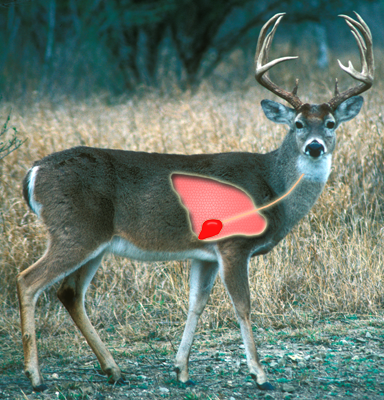
For deer, the primary target is the heart-and-lung area inside the chest. The lungs occupy a large portion of the chest cavity, while the heart sits lower and slightly forward.
A shot that passes through both lungs typically creates rapid blood loss and loss of oxygen, which is why the broadside vital zone is generally considered the highest-percentage target for deer hunters.
The goal should not be to hit the smallest possible anatomical target. The goal should be to choose the shot with the largest practical margin for error.
Broadside: the most forgiving opportunity
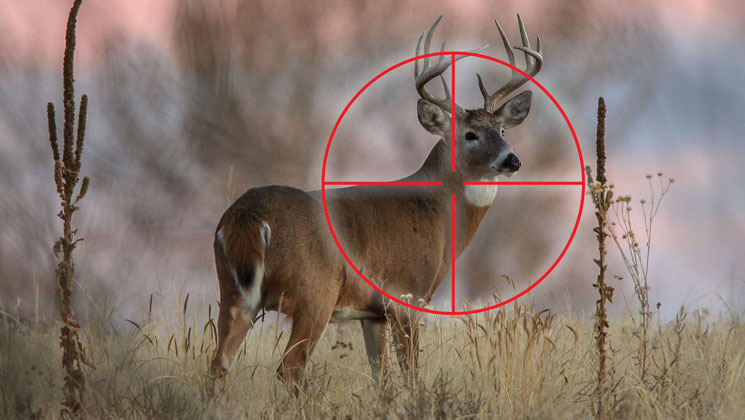
A deer standing perpendicular to the hunter provides a broadside presentation. This angle exposes the chest and provides a clear path to the lungs without requiring the projectile to travel through heavy bone at an extreme angle.
A practical reference point is the chest area immediately behind the front shoulder, roughly around the lower-middle portion of the body.
Exact aim can vary depending on:
- firearm versus bow
- distance
- shooting elevation
- deer posture
- shoulder position
The bigger principle is more important than memorizing a single dot: visualize the path through the chest rather than only the spot where the projectile enters.
Quartering away: an excellent angle
A deer quartering away exposes an angled path through the chest. Instead of thinking only about the entry point, imagine where the projectile should travel inside the animal.
The ideal path crosses the chest cavity toward the opposite front shoulder.
For bowhunters especially, a moderate quartering-away angle can provide a large vital-area target without placing the near shoulder directly in the arrow’s path.
Quartering toward: much less forgiving
When a deer is facing partly toward you, the near shoulder can obstruct the vital area. The opening into the chest is smaller, and relatively small aiming errors can result in poor penetration or a non-vital hit.
Experienced firearm hunters may sometimes have circumstances where the shot is reasonable, but the margin for error is considerably smaller.
For bowhunters, waiting for the deer to turn is usually the better choice.
Straight-on shots
A deer facing directly toward the hunter provides a much smaller target. The chest is narrow from this perspective, and the shoulders protect much of the vital area.
If the deer is calm and unaware of you, there is usually no reason to force the shot. Wait. A broadside or quartering-away opportunity may develop a few seconds later.
Straight-away shots
A deer moving directly away also presents a poor angle. The path to the heart and lungs runs through a large amount of non-vital tissue, and there is very little room for error.
Passing on a marginal shot is not losing an opportunity. It is making a better hunting decision.
Know your actual effective range
Equipment capability and hunter capability are not the same thing.
A rifle may be capable of excellent accuracy at 400 yards. That does not mean every hunter holding it should shoot a deer at 400 yards.
Your effective range is the distance at which you can consistently place a shot into the vital zone under realistic field conditions. That includes factors such as:
- wind
- shooting position
- elevation
- adrenaline
- limited shooting rest
- animal movement
Bowhunters should apply the same rule. A shot at a distance you regularly practice is very different from an improvised attempt beyond your normal range.
Practice the shots you’ll actually take
Bench-rest accuracy is useful, but deer rarely appear beside a shooting bench.
Rifle hunters should practice from realistic positions:
- sitting
- kneeling
- prone
- shooting sticks
- tree-stand rests
Bowhunters should practice:
- standing
- seated
- elevated angles
- awkward body positions
- realistic hunting distances
The goal is to make the first real hunting shot feel familiar rather than experimental.
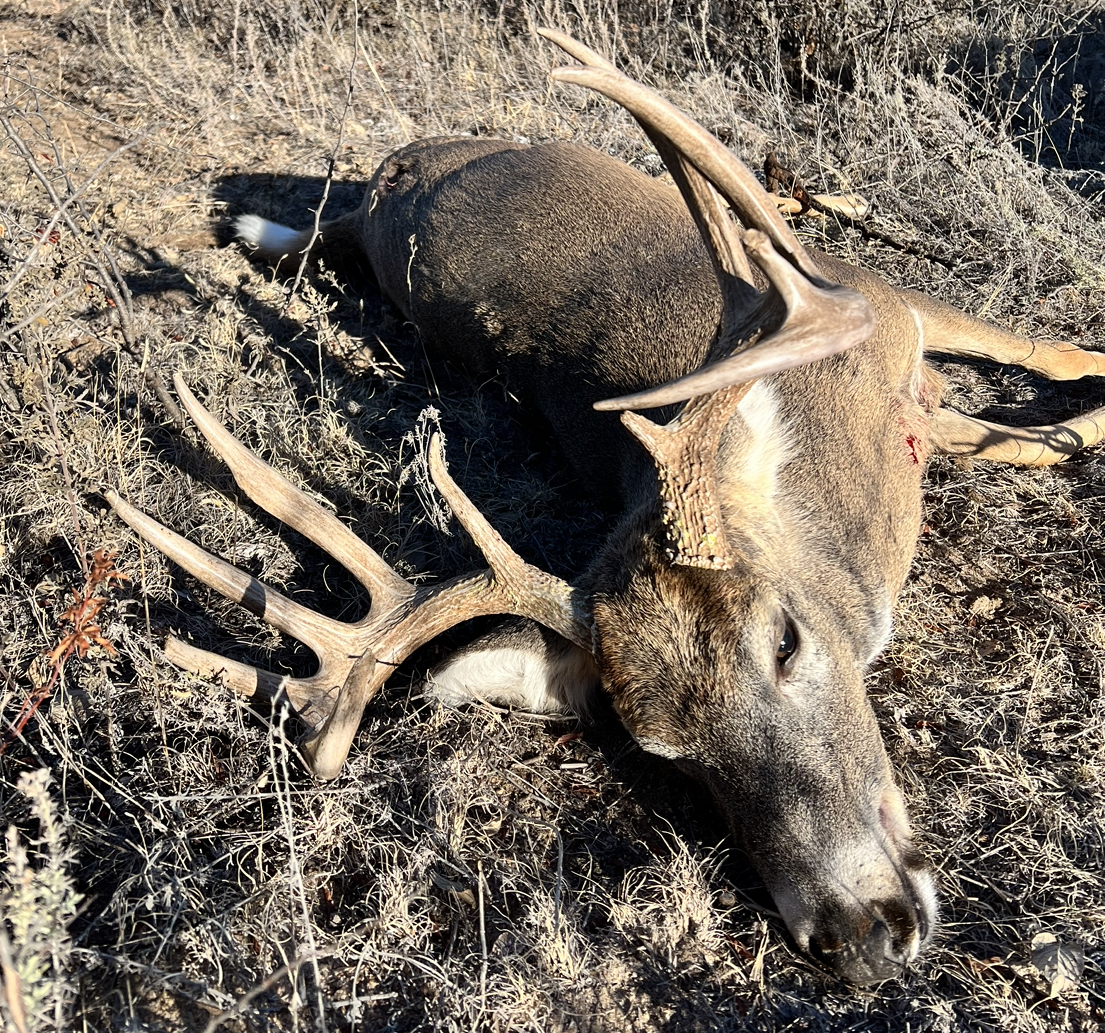
What happens after the shot matters
Pay attention immediately after releasing the arrow or pulling the trigger. Note:
- where the deer was standing
- its direction of travel
- how it reacted
- where you last saw it
Then inspect the impact location carefully before beginning the recovery. The right tracking decision depends on what you observe.
Rushing into cover after an uncertain hit can push a wounded deer farther away. When in doubt, slow down.
Ethical hunting sometimes means not shooting
Hunters remember successful shots, but some of the best decisions made in the field involve never pulling the trigger.
Pass when:
- the angle is poor
- the deer is moving too quickly
- brush blocks the vital area
- the distance exceeds your ability
- you cannot identify what is behind the animal
- you are not confident in the shot
There will always be another hunt.
For hunters looking for their next opportunity, explore Texas white-tailed deer hunts or browse all hunting and fishing adventures on DreamHnF.
Final thought
Good shot placement is not about finding a magic aiming point. It is about understanding anatomy, recognizing the right angle, knowing your limitations and having enough patience to wait for a high-percentage opportunity.
The most ethical shot is the one you are confident you can make cleanly.
Keep reading
Fishing / Regulations
Illegal Fish Species by State: What Anglers Should Know Before Keeping a Catch
Learn why some fish are illegal to possess or transport, how invasive-species rules vary by state, and what anglers should check before fishing new waters.
Olivier · 3 min read
Hunting / Regulations
Legal Hunting Hours: How Sunrise, Sunset and Shooting Times Work
Understand legal hunting hours, sunrise and sunset rules, species-specific exceptions and how to confirm shooting times before your next hunt.
Olivier · 4 min read